
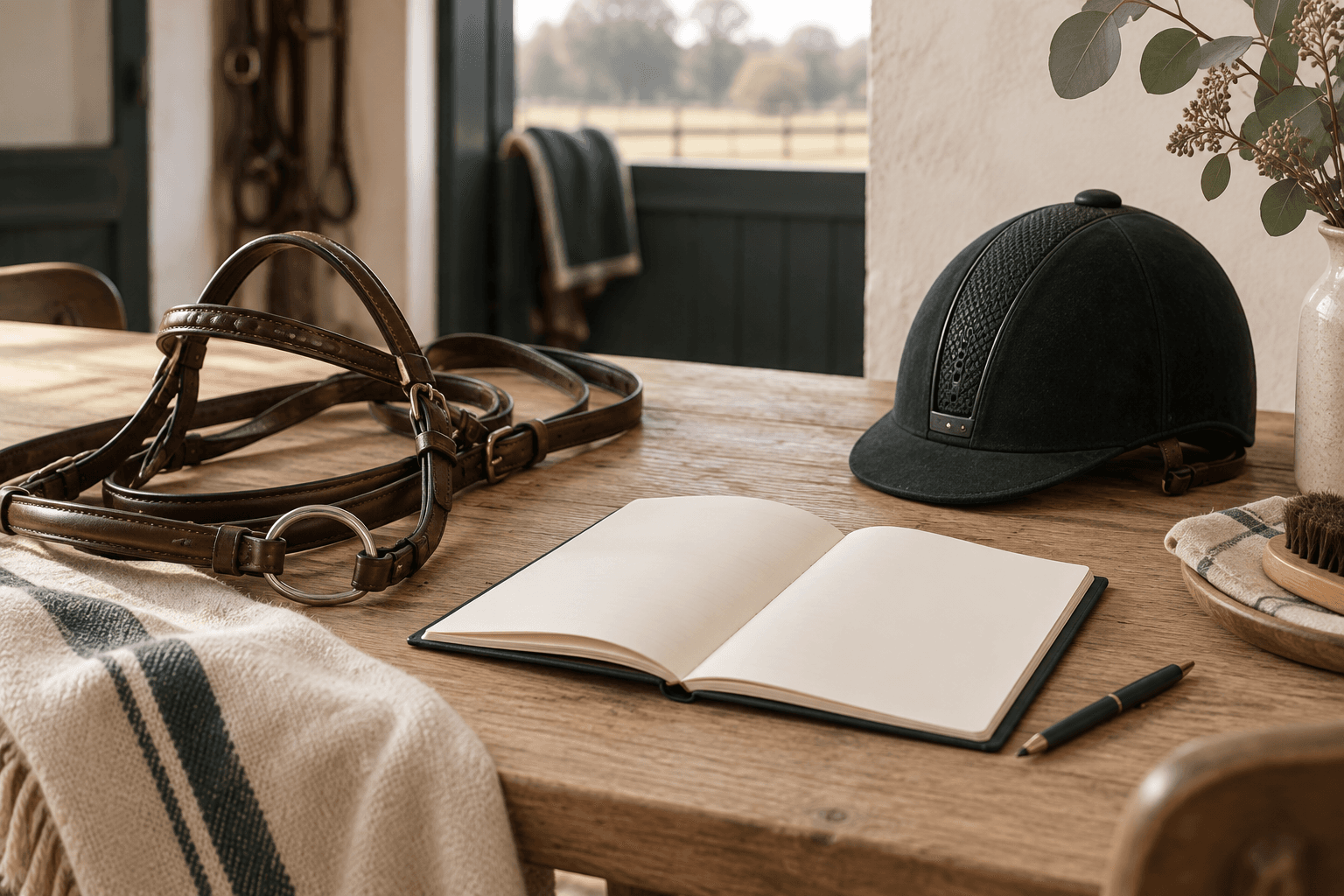

Begin with the purpose.
A visit can explore respect for living things, observation and communication, or a shared team experience. Define what you want participants to understand before deciding the balance of riding, stable visits, care introductions and discussion.
Age, experience and willingness vary. Riding and non-riding options can give observers a clear part in the programme too.
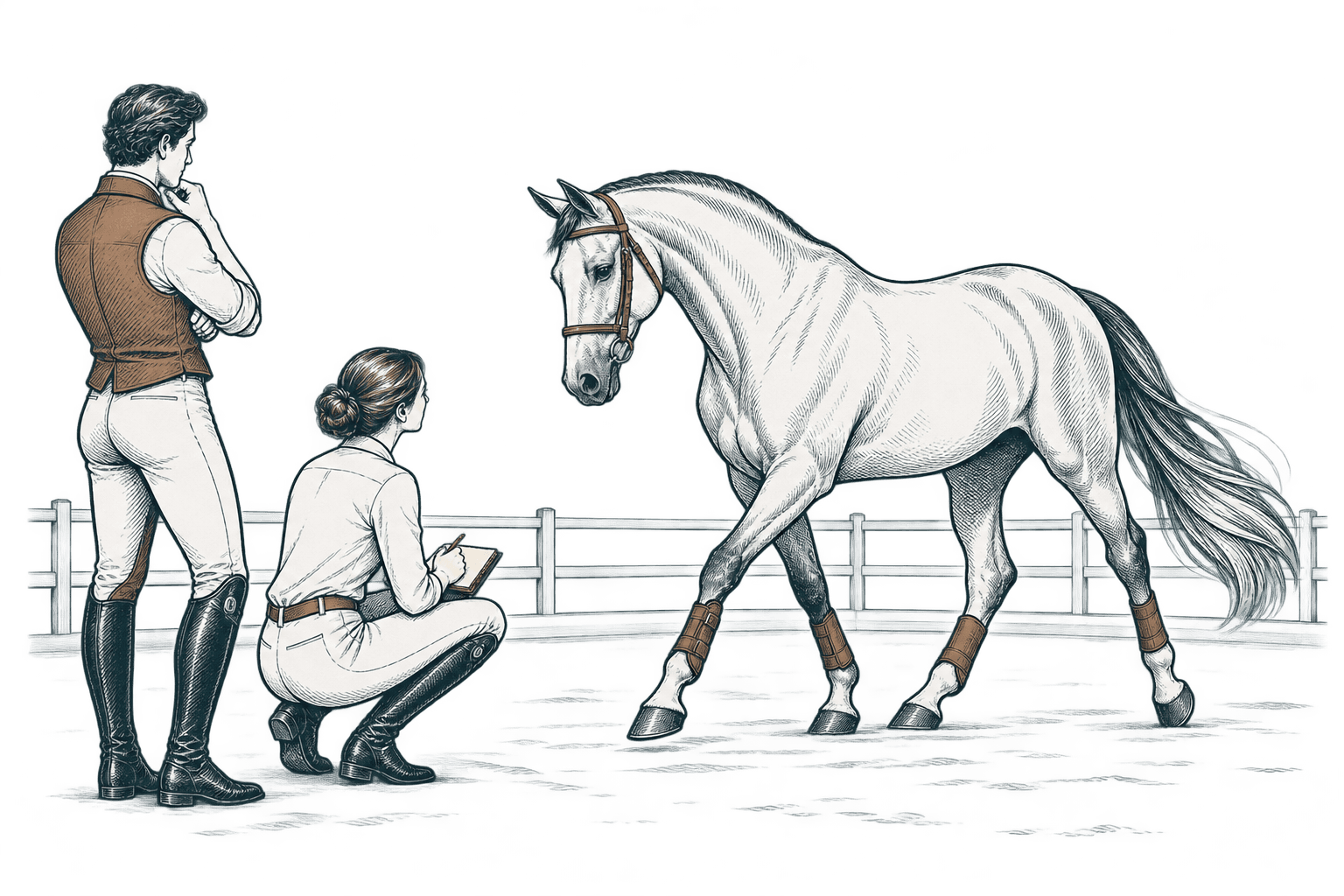

Create a one-page brief.
A clear brief helps venues respond to the same aim. Begin with estimates and add detail once the direction is agreed. You need not collect every participant’s personal information at the first enquiry.
- Organisation, coordinator and contact
- Numbers, age range and background
- Dates, location, budget and purpose
- Riding proportion, travel and language needs

Know who leads each stage.
Venue instructors, accompanying teachers, the group coordinator and Eques Trio each have a role. Identify who handles arrival, groups, instruction, breaks and departure, and how participants can raise questions.
For younger participants, supervision, handovers and photography permissions should follow the school, organisation and venue procedures. Detailed lists can be handled by the responsible people once their purpose is clear.

Confirm the programme and its practical details.
Before accepting a programme, bring the location, times, activities, groups, fee inclusions and equipment requirements together. Understand arrangements for weather, changes and cancellation.
Keep the participant brief concise: clothing, entrance, meeting time, contact and the main parts of the day. Ensure the accompanying team and participants receive consistent information.

Continue the learning after the visit.
Afterwards, invite one new understanding, a memorable observation and a question. A school can return to these in the classroom; a group can use them in conversation, giving the visit a lasting connection.